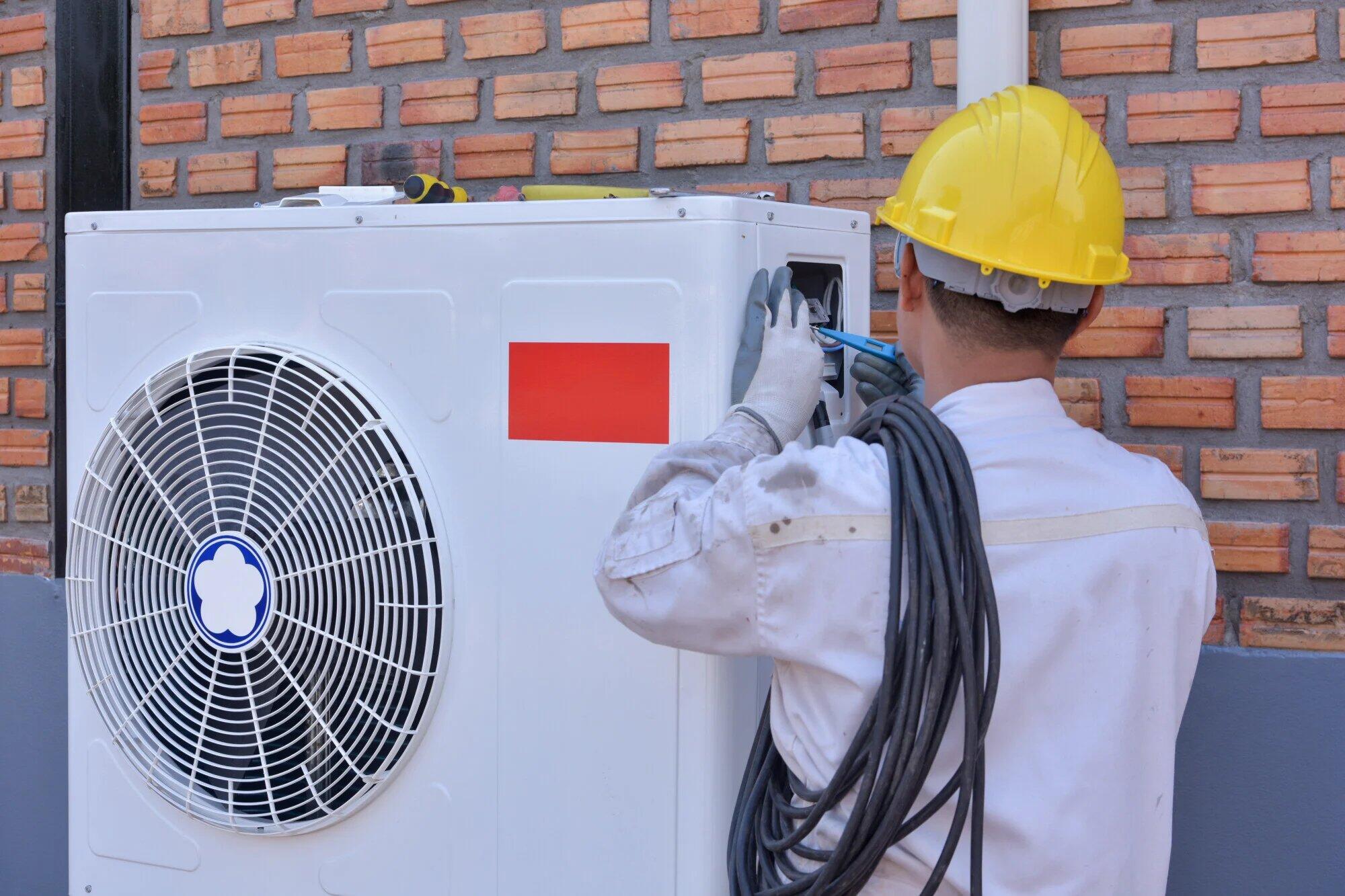
Homeowners should call an HVAC technician immediately if their system shows no heating or cooling, unusual smells, strange noises, water leaks, ice buildup, or a sudden spike in energy bills. These signs point to problems that typically worsen fast and can turn into safety hazards or expensive breakdowns if ignored.
Texas leads the nation in HVAC service calls per vehicle, and one recent heat watch pushed HVAC fleets to log 14 more trips per truck in a single month compared to the year before, according to fleet data from Samsara. That kind of demand doesn't happen by accident. Dallas-Fort Worth summers push equipment past its limits, and winter cold snaps can do the same in reverse.
Knowing which warning signs demand immediate attention protects both your home and your family.
If your system won't turn on, or it runs but blows warm air in summer or cold air in winter, that's actually an urgent situation in Dallas-Fort Worth. Indoor temperatures can climb or drop to unsafe levels pretty fast once a system stops working completely.
Kids, seniors, and pets tend to feel the effects first, so a system that won't respond needs attention right away. Frankly, waiting even a day on Dallas heating repair or a full AC shutdown can turn a small fix into a much bigger job.
Any burning odor, sharp electrical smell, or hint of gas near your furnace or air conditioner is a safety red flag, plain and simple. These smells can point to overheating parts, electrical faults, or a combustion problem that only a licensed technician should handle.
In fact, this is exactly the kind of situation that calls for HVAC emergency services rather than a wait-and-see approach. Companies like Texas Ace Service keep phones staffed every hour of the day with an actual person instead of a machine, which matters quite a bit when smoke or gas is involved.
Turn off the system and call for help right away if you notice any of these smells.
New or worsening noises, like metal on metal, grinding, banging, or a high-pitched squeal, usually mean a fan, motor, compressor, or belt is starting to fail. Running the unit when it makes these sounds tends to turn a minor repair into a full breakdown pretty quickly.
Different noises point to different problems, so it helps to know what you might be hearing before you call for service.
Common noise and cause pairs include:
Rooms that turn extremely hot or cold within minutes, or spots in the house that never reach the temperature you set, often point to blower, duct, or refrigerant trouble.
A thermostat adjustment rarely fixes this kind of problem on its own. Professional diagnostics can find the real source, whether that's a duct leak, a failing blower, or low refrigerant, well before the issue spreads to the rest of the system.
Warm air coming from the vents, with the unit still running, ranks among the most common air conditioning problems homeowners run into during a Texas summer. Low refrigerant, a failing compressor, or restricted airflow are usually behind it.
A technician can check refrigerant levels, test the compressor, and clear blockages to get cool air moving again. This particular problem rarely fixes itself, so it helps to schedule service pretty soon after you notice it.
Pooling water near the indoor unit, damp ceilings or walls near the ducts, or heavy condensation on the air conditioner often point to a clogged drain line, frozen coils, or a refrigerant issue. Left alone, this kind of moisture can lead to water damage and mold pretty quickly.
A few other causes are worth knowing about too, since not every leak comes from the same source. Other causes of unexpected moisture include:
Ice on the evaporator coils or refrigerant lines usually signals restricted airflow or a refrigerant level that's too low. Running the system when it's frozen can burn out the compressor, which is a pretty expensive part to replace.
A technician needs to thaw the unit, find the actual cause, and fix it before turning the system back on.
Your air conditioner is supposed to cool the air and pull moisture out of it at the same time, especially during a Dallas-Fort Worth summer. If the house still feels sticky or muggy with the system running, the unit could be undersized, malfunctioning, or cycling incorrectly. A technician can test the system and recalibrate it so it handles both temperature and humidity the way it should.
A unit that starts and stops frequently, or shuts down at random, is usually dealing with dirty components, electrical trouble, a failing capacitor, or a control issue. Leaving this alone adds wear to the system and raises the odds of a full failure down the road.
Regular residential HVAC maintenance tends to catch these problems early, often before they turn into an emergency call.
A jump in your energy bill without any real change in how you use your home usually means the system is working harder than it should. Dirty filters, failing parts, and low refrigerant are common culprits, and each one makes the unit run longer to reach the same temperature. An HVAC technician can track down the actual cause and fix it before you're stuck paying for months of wasted energy.
Extreme heat or cold can turn into a real health risk pretty fast in Dallas-Fort Worth, especially for anyone who is older, medically fragile, or very young. A system that isn't reliable puts these family members at higher risk during the hottest and coldest stretches of the year.
Getting expert HVAC advice at the first sign of trouble, instead of waiting to see if the problem goes away, protects both comfort and safety.
Most manufacturers recommend a checkup twice a year, once before summer and once before winter, since the local climate puts extra stress on a system. Homes with pets or older units sometimes benefit from a third visit, since dust and hair build up faster and strain the filters and coils.
Yes, running a struggling unit usually makes the underlying problem worse instead of better. A part that's already failing tends to wear out completely within days or weeks if the system keeps operating under strain.
Most residential systems last between 12 and 15 years in this climate, which is a bit shorter than the national average, since heat and humidity add extra strain. Once a unit passes the 12-year mark, repair costs often start to outweigh the value of keeping the old system running.
Checking the air filter, making sure the thermostat has fresh batteries, and confirming the breaker hasn't tripped are all safe first steps. These checks take just a few minutes and sometimes solve the problem without any need for a service call at all.
Leave the house right away and call the gas company or emergency services from outside, not from inside the home. Skip trying to locate the leak yourself, since gas and carbon monoxide can both be dangerous to breathe in even small amounts.
A membership plan that includes regular tune-ups tends to catch small issues, like a weak capacitor or dirty coil, before they turn into a full breakdown. Homeowners on these plans may see fewer surprise repair bills and get priority scheduling when the weather turns extreme.
These 11 signs cover the most common ways an HVAC system signals trouble, from strange smells and noises to rising bills and inconsistent temperatures. Catching these issues early with an HVAC technician keeps your home safe, comfortable, and energy-efficient throughout DFW's demanding seasons.
Texas Ace Service has served the Dallas-Fort Worth metroplex since 2012, with phones answered 24/7 by real staff rather than an answering service, ensuring homeowners reach a person during emergencies, not a voicemail. Call Texas Ace Service today to schedule a diagnostic before a minor issue turns into a costly repair.

Texas Ace Service - Heating & Air
870 Dividend Street, Suite C
Midlothian, TX 76065
New Years Day
MLK Jr. Day
Memorial Day
Juneteenth
4th of July
Labor Day
Thanksgiving
Black Friday
Christmas Eve
Christmas Day
© 2026 Texas Ace Service. All Rights Reserved. Privacy Policy | Terms of Use